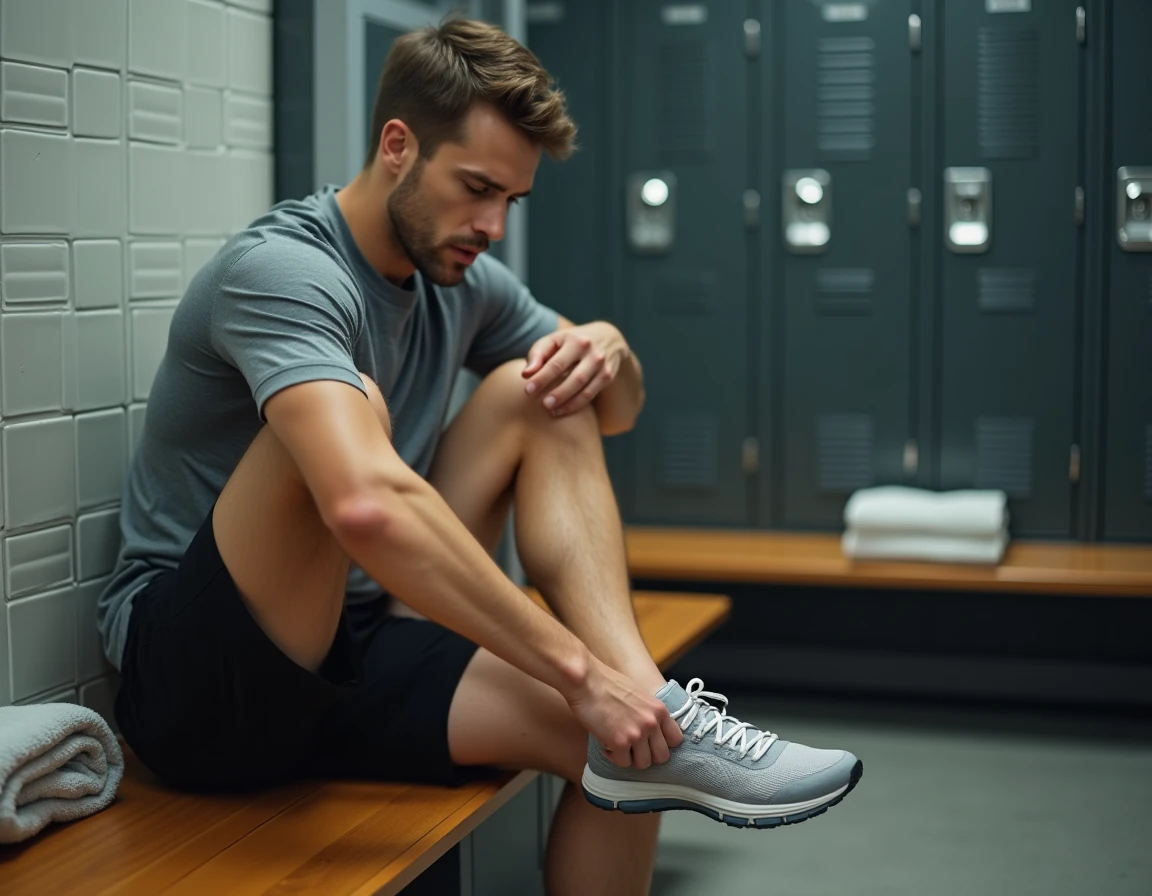
The callus under the feet is not just a simple aesthetic inconvenience. For athletes, it serves as a mechanical signal that the skin sends in response to repeated pressure constraints. Understanding the causes of foot calluses allows one to adapt their practice, equipment, and care to prevent the problem from worsening into cracks or debilitating pain.
Mapping Callus Areas According to the Sport Practiced
Sports podiatrists now use the distribution of calluses as an early screening tool for pressure disorders. The location of the callus reveals what the foot endures during exertion, well before the onset of muscle or joint pain.
For road runners, calluses concentrate under the forefoot and at the heel, where impact forces repeat with each stride. Trail runners, on the other hand, develop thickening on the lateral edge of the foot due to unstable footing on rough terrain.
Pivot sports (basketball, handball, tennis) cause calluses on the toes and the inner side of the forefoot. Sudden changes in direction create lateral friction that the skin compensates for by producing more keratin. Classical dancers, for their part, exhibit very localized callus areas on the toes and metatarsals, a direct reflection of extreme postures.
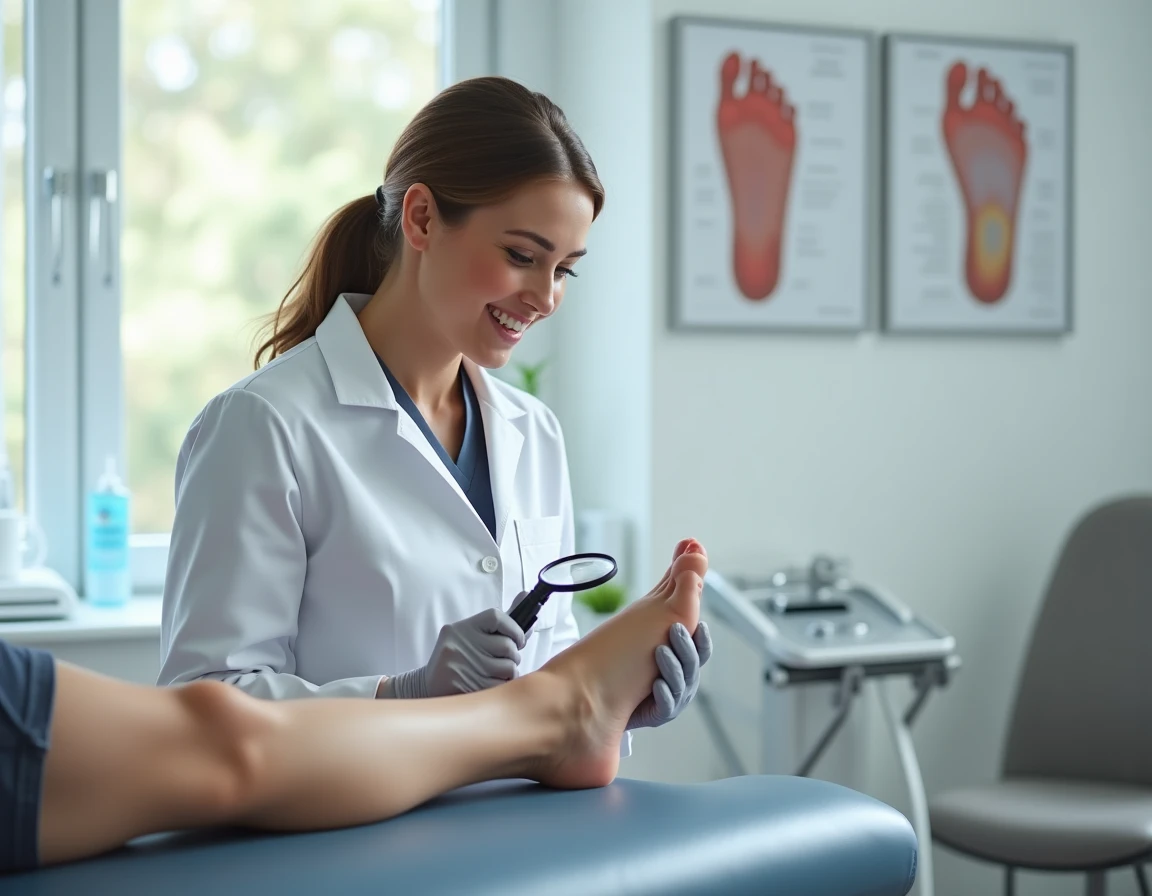
This mapping has practical utility: a marked callus under the head of the first metatarsal may signal the onset of a bunion, while a lateral thickening points towards a cavus foot. Identifying these mechanical overloads allows for intervention before an injury sets in.
To better understand the causes of foot calluses in athletes, one must look beyond the visible symptom and analyze the biomechanics specific to each discipline.
Plantar Hyperkeratosis: The Overactive Defense Mechanism
The callus, or hyperkeratosis, is a normal response of the skin. The feet lack sebaceous glands and do not benefit from the protection of sebum against dehydration. The skin compensates by producing keratin, which forms a protective layer against the impacts of walking and running.
The problem arises when this production becomes excessive. In athletes, three factors combine to accelerate thickening:
- The repetition of impacts, which multiplies micro-traumas on the same pressure areas, session after session
- Excessive sweating in closed shoes, which paradoxically dehydrates the callus layer by alternating wet and dry phases
- Shear stresses related to changes in direction, ascents, and descents, which stress areas of the foot that are poorly prepared for friction
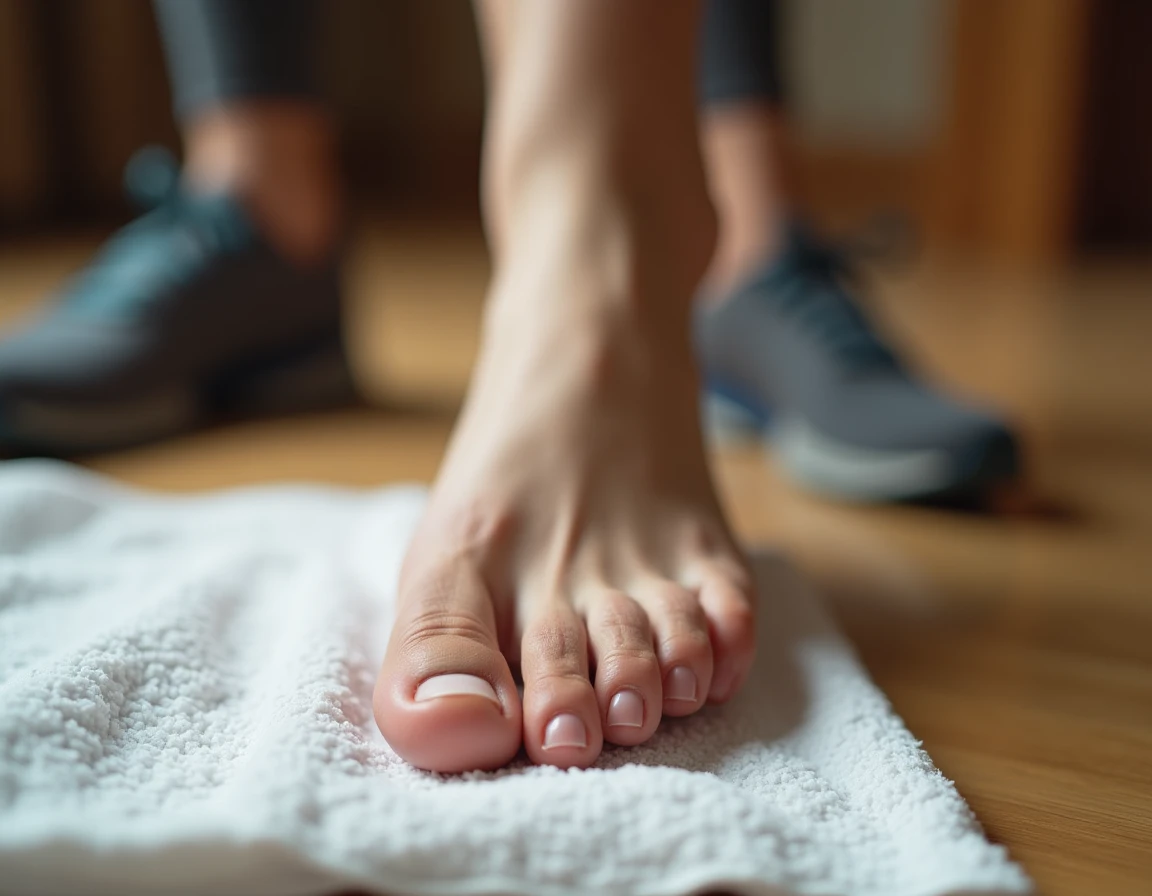
The distinction between diffuse callosity and localized corn deserves attention. Callosity extends over several centimeters with blurry contours and a yellowish tint. The corn, smaller and deeper, has a central core that presses on nerve endings. A seed corn appears between the toes in a humid environment. Treatment differs radically depending on the type of lesion.
Common Mistakes in Managing Callus in Athletes
Removing too much callus at once remains the most frequent mistake. The skin interprets this abrasion as an aggression and accelerates keratin production even more. Several podiatrists recommend reserving mechanical abrasion for very moderate actions and entrusting advanced cases to a professional.
The pumice stone used after each shower, indiscriminately, ultimately maintains a vicious cycle. Gentle and spaced exfoliation yields better medium-term results than aggressive daily sanding.
Another pitfall: ignoring the biomechanical cause. Moisturizing and sanding without correcting the pressure amounts to treating the symptom in a loop. When the callus consistently reappears in the same spot despite care, it signals that a pressure imbalance persists.
Narrow or overly rigid sports shoes also worsen the situation. A shoe that compresses the toes generates inter-digital corns. A sole that is too thin on a hard surface concentrates impacts on a reduced area. The choice of shoe weighs as heavily as care in prevention.
Orthotic Insoles and Cream: The Combined Strategy That Works
Specialized sources in sports podiatry converge on one point: effective prevention of callus relies on redistributing plantar pressures through custom orthotics. A corrective insole alters load distribution, reduces localized pressure peaks, and mechanically limits keratin production to overloaded areas.
Additionally, daily hydration with a cream suitable for dry feet maintains the flexibility of the residual callus layer. Hydrated skin withstands friction better and cracks less easily. Application is ideally done in the evening, on clean and dry skin, focusing on the heels and forefoot.
- Have a podiatric assessment to identify areas of overpressure before choosing an orthotic
- Opt for technical socks without protruding seams, which reduce friction on the toes
- Adapt the frequency of exfoliation (once a week maximum) and use a fine-grained pumice stone
- Monitor the appearance of cracks, a sign that the callus has become too thick and dry to protect effectively
One point deserves to be raised regarding financial coverage. Callus and callosity treatments are generally not reimbursed by health insurance. However, some diabetic patients or those with long-term illnesses benefit from annual coverage for podiatric prevention sessions. For other athletes, the cost remains their responsibility, which explains why many delay consultation.
The callus on the feet of athletes is neither a fatality nor a negligible detail. It is a reliable biomechanical indicator that, when read correctly, guides towards concrete adjustments in footwear, pressure, and care. Acting on the mechanical cause rather than the skin symptom remains the only sustainable approach.