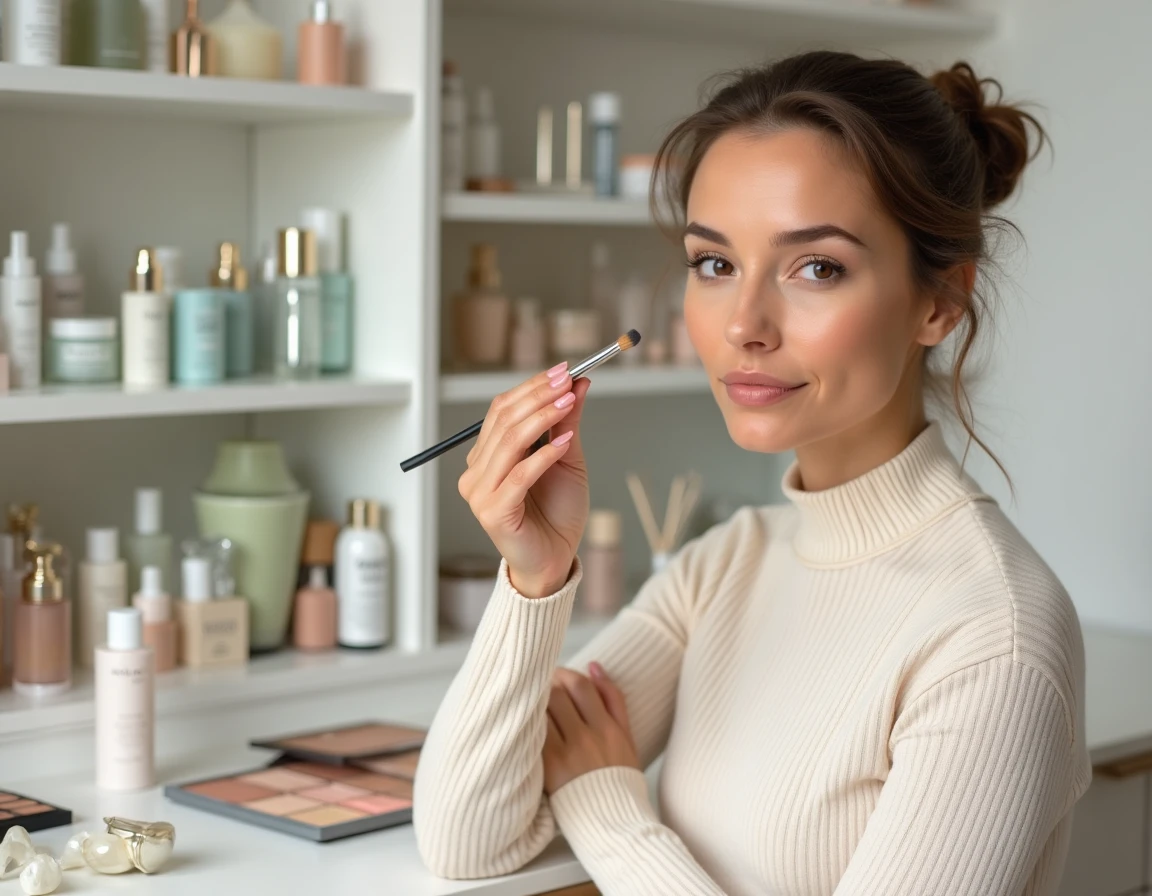
When looking for a makeup tip suitable for combination skin on a Tuesday morning before heading to the office, one doesn’t want to scroll through a list of ten generic tips. One wants a contextualized, tested answer that takes into account skin type and available time. This is precisely the approach offered by the beauty section of Zaza Mode, an editorial space that focuses on precision rather than accumulation.
Contextualized beauty tips based on skin type and goal
Most online beauty content operates on a simple model: one tip, one photo, one product to buy. The problem is that the same advice applied to two different skin types yields two opposite results. A cleansing oil that works wonders on dry skin can overwhelm oily skin in three days.
What changes in Zaza Mode’s approach is the reading filter. The articles in the beauty section of Zaza Mode segment recommendations by skin type, season, and skill level. You won’t find the same advice rephrased five times, but distinct paths depending on whether you’re a makeup beginner or already mastering contouring.
This granularity aligns with a broader trend in recent beauty journalism: readers expect technical and personalized content, not catch-all lists. Media outlets that test viral tips from the perspective of “true or false” gain credibility compared to compilations of inspirational content without critical distance.
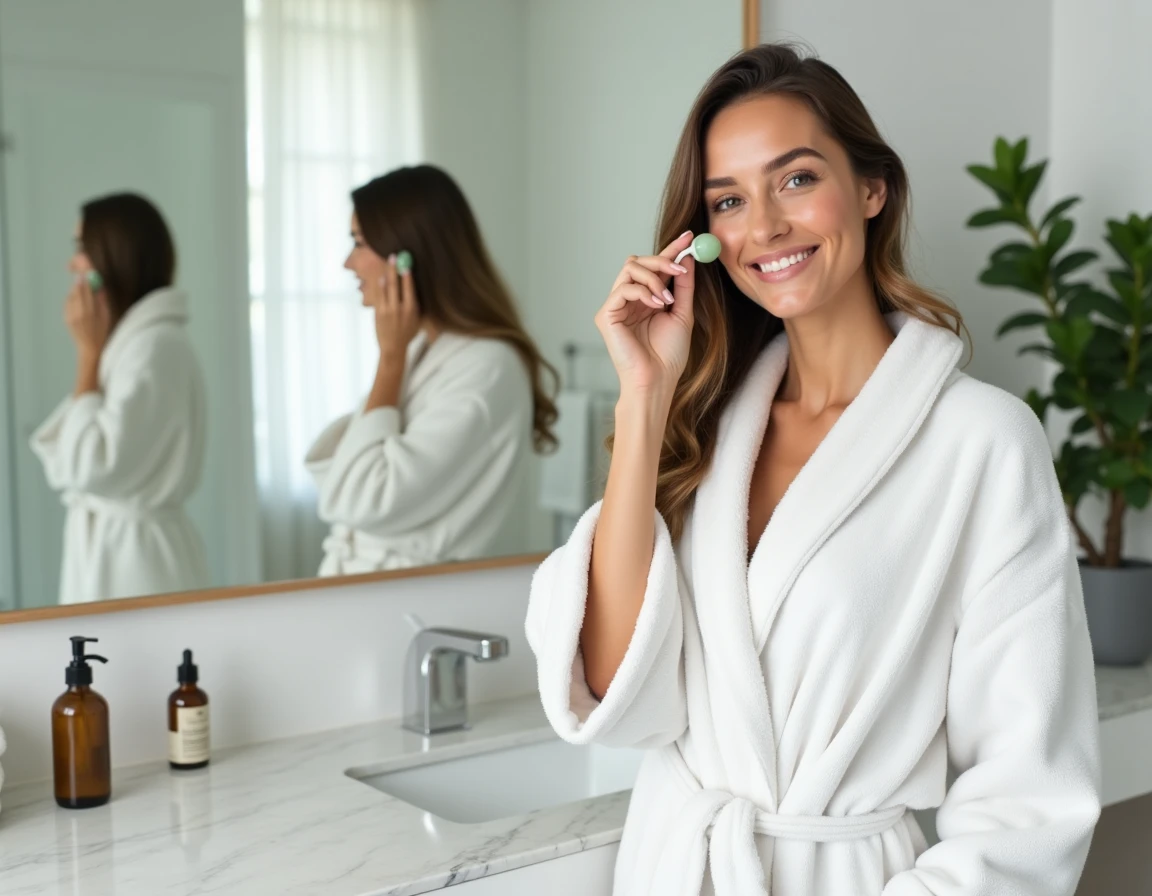
Short and realistic beauty routine: what Zaza Mode offers daily
We’ve all seen those twelve-step routines from South Korea, stunning in video but impossible to maintain on a Monday morning. A realistic routine fits within three to five steps maximum. This is the editorial line found in Zaza Mode’s beauty content: short protocols designed for daily use.
Specifically, the articles often distinguish between two levels of routine:
- The express routine (cleanser, moisturizer, sunscreen), suitable for rushed mornings or skin that doesn’t tolerate layering products well
- The complete routine (double cleansing, targeted serum, cream, eye cream), reserved for evenings or days when you have time to let each product absorb before applying the next
- Seasonal adjustments, because a rich cream in January becomes too heavy in June for most combination to oily skin
This tiered approach avoids a common pitfall: piling on products without understanding their order of application or compatibility. The waiting time between two treatments, often overlooked, makes a real difference in the effectiveness of a serum or concentrated active ingredient.
Beauty trends and formula transparency: a less saturated editorial angle
The “clean beauty” discourse saturated the market for several years. Today, consumers demand concrete evidence rather than marketing promises. The simple argument of “paraben-free” or “natural” is no longer sufficient. What matters is the traceability of ingredients, transparency about active concentrations, and usage education.
Zaza Mode is part of this evolution by addressing beauty trends from a practical angle. When an active ingredient goes viral on social media (retinol, niacinamide, glycolic acid), the section does not merely signal the trend. It details the context of use: how often, on what skin type, with what precautions.
Viral social media tips: sorting between effectiveness and trendiness
We regularly see makeup tips that accumulate millions of views without any validation. For example, using lipstick under the eyes to reduce dark circles works on some skin tones but can be disastrous on others. Testing a viral tip without knowing your own skin undertone is like playing a guessing game.
Recent beauty content, including that of Zaza Mode, increasingly adopts the “real test” format: we try the tip, document the result, and explain why it works or not. This critical distance is still lacking in a large part of online beauty content, often published in the rush of the editorial calendar.

Accessibility and personalization: two criteria for evaluating beauty content
A good beauty tip is only valuable if it can be applied with what you have on hand. Feedback varies on this point, but the most followed routines are those that do not require buying five additional products. Zaza Mode prioritizes recommendations compatible with a reasonable budget and products available in France.
The other criterion that makes a difference is personalization. An article that offers a single protocol for everyone misses its target. The most useful sections are those that provide variations:
- By age group, because the needs of skin at twenty have nothing to do with those at forty-five
- By specific goal (radiance, hydration, anti-blemishes), rather than by product category
- By real constraints (pregnancy, reactive skin, allergy to a common ingredient)
This level of detail distinguishes editorial content designed to be useful from content published to fill a calendar. The beauty section of Zaza Mode is oriented towards this requirement, with articles that segment advice instead of piling it up.
Ultimately, the quality of a beauty section can be measured by a simple test: after reading, do we know exactly what to do tonight in front of our mirror, with the products already in our bathroom? If the answer is yes, the content has fulfilled its role.