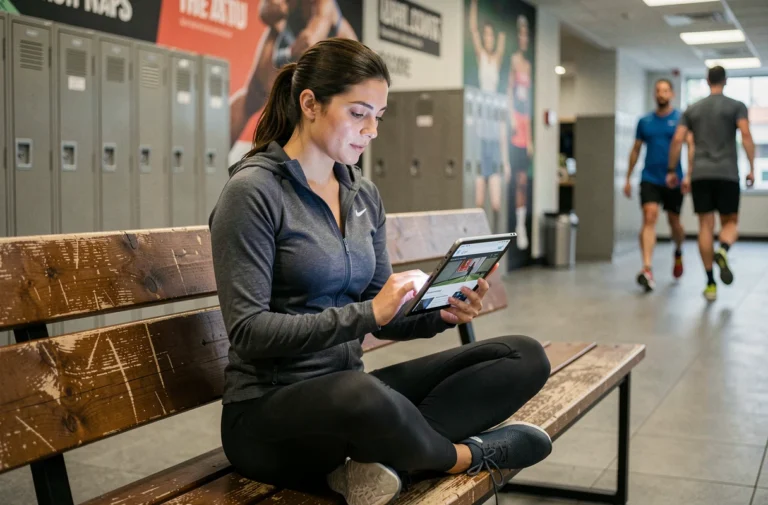
Inadequate equipment increases the risk of injury by 35% during regular physical activity, according to a study by INSEP. Yet, the majority of practitioners neglect the precise adjustment of their gear, focusing more on brand or aesthetics.
Some sports equipment only delivers optimal performance under very specific usage conditions, contrary to the widespread belief in universal gear. The criteria for selection vary greatly depending on the discipline, intensity of practice, and level of experience, making any general recommendation ineffective.
Why the choice of sports equipment makes all the difference
Choosing sports equipment is never just about appearance. Behind every technical garment or pair of shoes lies the precision of movement, effective recovery, and measurable progress, week after week. Experience reminds us bluntly: nearly one in three amateur athletes report pain caused by unsuitable equipment, according to UFC-Que Choisir. And this observation holds true at all levels: a shoe that is too tight, a poorly cut jersey, and consistency begins to crumble.
Because each discipline imposes its own requirements, adjustments, testing, and often revisiting one’s certainties are necessary. Support, breathability, cushioning: these are all factors that make the difference between pleasure and constraint. To get an overview of ranges designed for everyone, without compromising on technique or style, explore the equipment offered by Sportivoz.
Equipping yourself with the right gear is not just about avoiding injury. It’s about rediscovering the desire to train, pushing back discouragement, and feeling that something is changing in the way the body moves. Conversely, poorly suited accessories can end up exhausting and demotivating you, much more than one might imagine. If comfort, ergonomics, or fabric quality seem trivial at first, they quickly become decisive as the effort intensifies.
Before filling your cart or placing an order, identify what you really need: for which discipline, at what intensity, in what environment, and at what stage of practice? The answers to these questions will allow for a truly useful choice, far from trends and advertising campaigns. Because good equipment is felt from the very first use: it supports, lightens, motivates, but never hinders.
What criteria to consider based on your discipline and goals?
A runner, a basketball player, a yoga enthusiast: each has their constraints, preferences, and priorities. For running, choosing a shoe suited to your stride based on the surface (asphalt, trail, track) makes all the difference. On rough terrain? Reinforced trail models are essential. Conversely, for the gym or team sports, focus on the durability of the fabric, ergonomic fit, and the possibility of adding markings or logos to enhance team spirit.
Before making a choice, go through these main criteria to avoid mistakes:
- Quality of materials: breathable fibers, innovative textiles, or recycled materials. User feedback is a real indicator of long-term durability.
- Comfort: discreet seams, localized support, good elasticity. These details become crucial during prolonged efforts.
- Level of experience: beginners often prioritize simplicity and value for money; more experienced individuals seek the technicality specific to their practice.
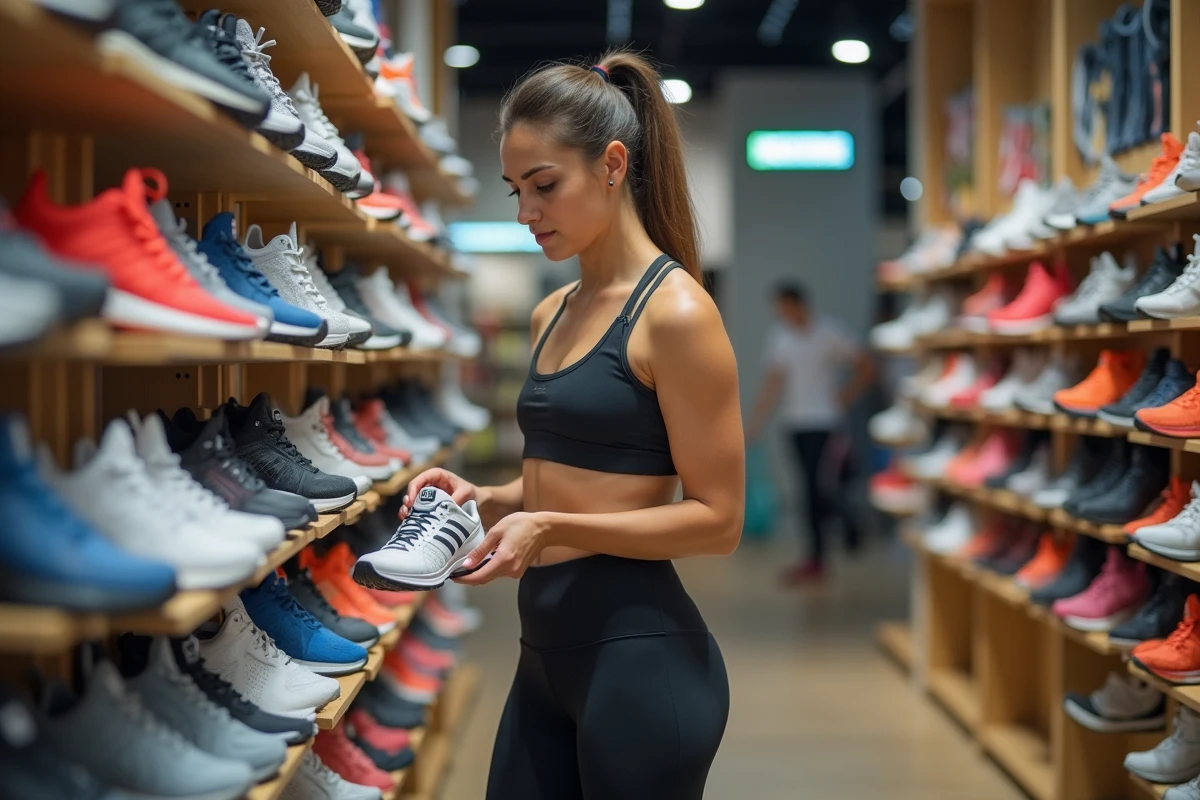
- Size and fit: trying on remains the rule. If purchasing online, a hassle-free return policy is a real plus.
- Price and timing of purchase: keep an eye out for good deals and don’t hesitate during major promotions to equip yourself smartly without breaking the bank.
For groups, pushing for customization (printing, tailored packs, connected textiles) fosters and enhances practice. Cutting-edge technologies, such as graphene-infused fabrics, or smart accessories, are gradually redefining the playing field for the most demanding athletes.
Maintaining and using your equipment: tips to boost your performance
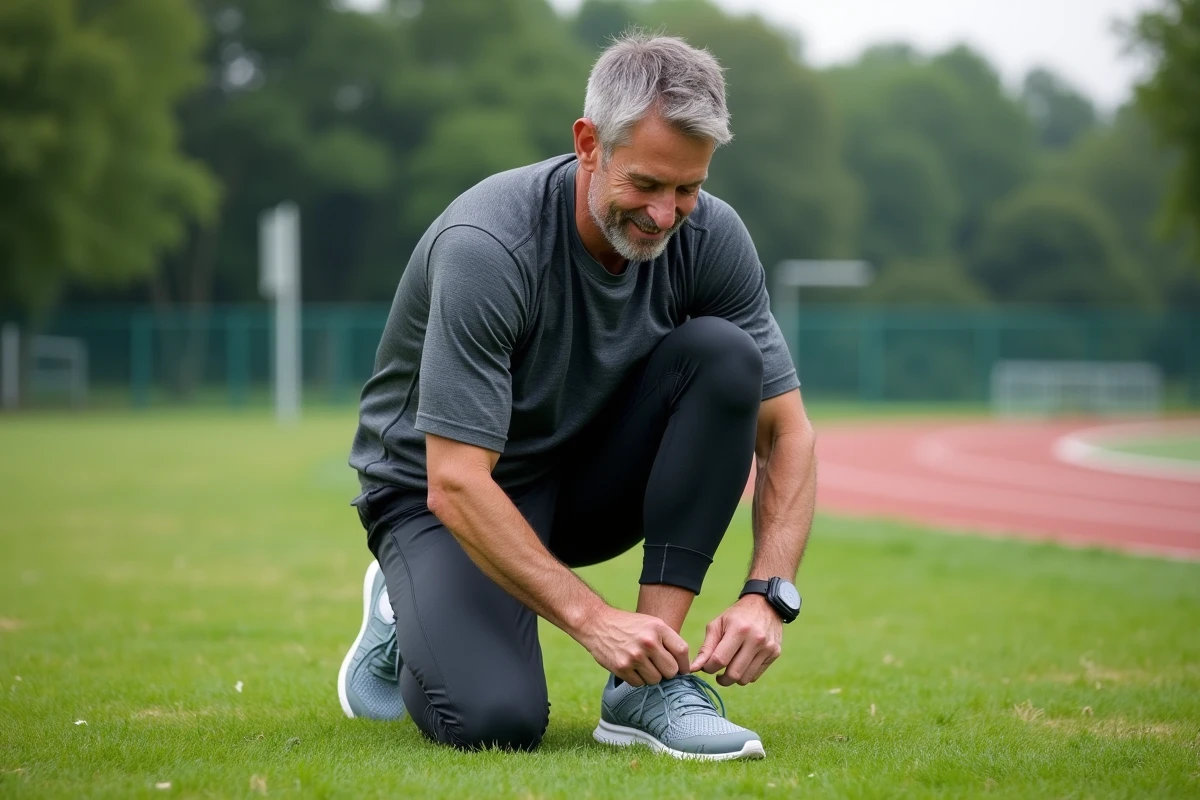
The longevity of equipment comes down to maintenance, plain and simple. Clothing designed for effort benefits from being washed at low temperatures, thus preserving elasticity and technical properties. The dryer? It’s better to avoid it: opt for gentle air drying. For shoes, remove the insoles, wash by hand, and keep them away from direct heat sources.
As for training equipment, dumbbells, mats, or bands, regular checks are essential. Look for signs of wear, tighten what is loose, and replace without delay when a defect appears. Sometimes, a little creativity is enough to give old items a second life: repurposing an old rope as an exercise accessory, recycling a t-shirt into a headband… Upcycling has also found its place in the sports world.
To ensure each session starts without stress, get into the habit of organizing your equipment in advance. Everything should be in its place, ready to use, batteries charged, and settings checked. This time-saving measure reduces forgetfulness, protects the equipment, and facilitates consistency in practice.
Adopt these key reflexes to get the most out of your equipment:
- Clean frequently to preserve performance
- Repair without delay to extend the life of your gear
- Adapt according to the season and intensity of training
On the field as well as off, nothing beats attention to detail. It is this care, invisible from afar, that ultimately propels every progress and deepens the difference, day after day.