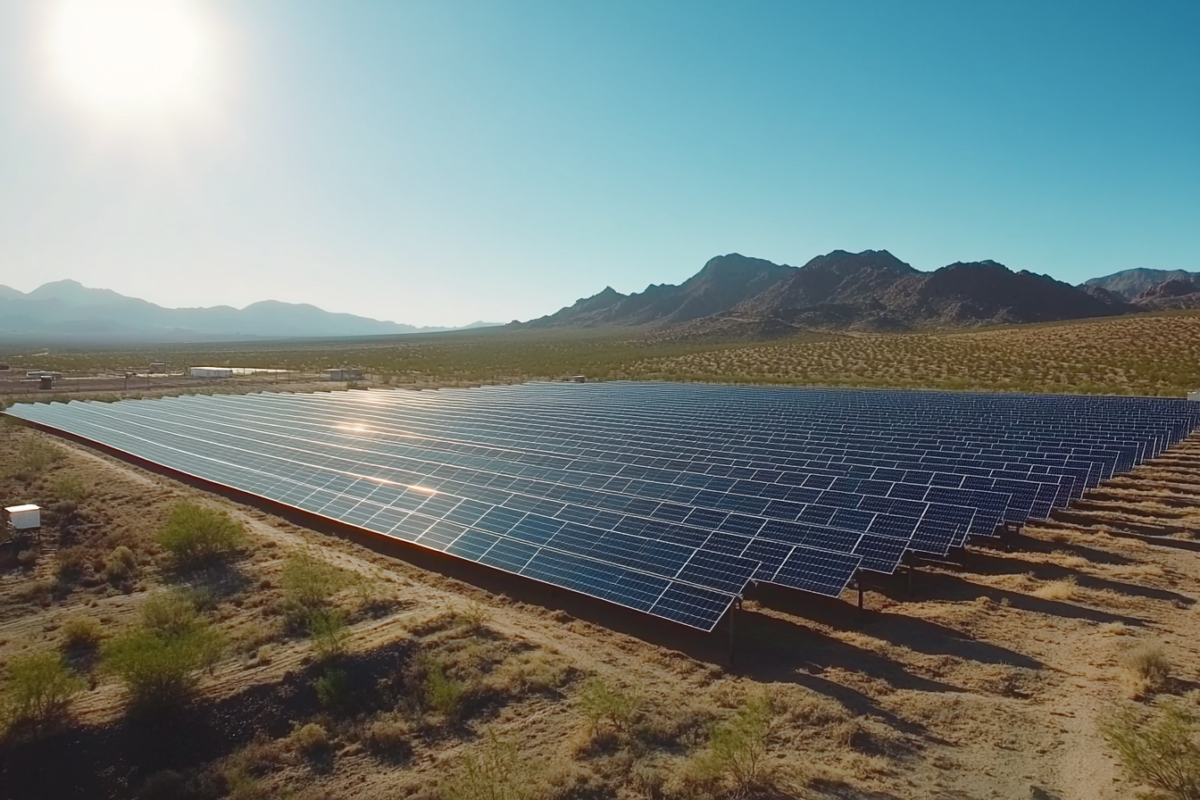
As the planet increasingly turns to sustainable energy solutions to address environmental challenges, solar panels emerge as a leading technology. By capturing the energy from the sun, these devices provide an unprecedented opportunity to generate electricity cleanly, thereby reducing dependence on fossil fuels and limiting greenhouse gas emissions. Whether you are a passionate environmental advocate, a homeowner looking to cut down on electricity bills, or simply curious about technological innovations, solar panels offer a modern response to energy needs. They symbolize not only technological progress but also a commitment to a greener future.
Understanding How Solar Panels Work
To fully appreciate the benefits of solar panels, it is essential to understand their technical functioning.
Solar panels are made up of numerous photovoltaic cells that play a key role in converting solar energy into usable electricity. Each cell is composed of semiconductor materials, such as silicon, which generate an electric current when exposed to light. This process, known as the photovoltaic effect, is at the heart of solar technology. The panels are connected to an inverter, a device that transforms the direct current produced into alternating current, ready to be used in your household appliances. The surplus energy generated can be stored in batteries for later use or fed back into the electrical grid, contributing to a more balanced energy consumption.
The Benefits of Solar Panels
The adoption of solar panels presents multiple advantages that manifest environmentally, economically, and socially.
- Reduction of Carbon Emissions: By using a clean and renewable energy source, solar panels help reduce carbon dioxide emissions, one of the main gases responsible for global warming.
- Financial Savings: Although the initial investment may be significant, solar panels considerably reduce electricity bills in the long term. With available tax incentives and subsidies, the return on investment is often quick.
- Energy Independence: By producing your own electricity, you become less dependent on energy suppliers and fluctuations in energy prices.
The Challenges Associated with Installing Solar Panels
Despite their many advantages, solar panels are not without challenges that can hinder their adoption.
One of the main obstacles remains the initial installation cost. Although prices have decreased over the last decade, the investment is still significant, which can deter some. Available space is also a critical factor: panels require a sufficiently large and sunny area to operate efficiently. Finally, energy production largely depends on weather conditions and sunlight, meaning their efficiency can vary by season and region.
The Impact of Solar Panels on the Environment and Society
The implications of solar panels go beyond mere energy savings. Their influence extends to many aspects of society and the environment.
- Environmental Impact: By reducing the demand for fossil fuels, solar panels help preserve natural resources and protect sensitive ecosystems from the harmful effects of mining and polluting emissions.
- Job Creation: The solar industry has generated a multitude of job opportunities in research, installation, and maintenance, bringing new life to local economies.
- Education and Awareness: By installing solar panels, communities become more aware of their energy consumption, encouraging more responsible behaviors towards the environment.
Solar panels represent much more than just a technology; they offer a vision of a future where energy is cleaner, more accessible, and more sustainable. By combining technological innovation, environmental awareness, and economic benefits, they position themselves as a viable and promising solution to meet the energy needs of tomorrow. Adopting this technology is not just an ethical choice, but also a step towards greater energy independence and a healthier planet. The potential of solar panels is immense, and their integration could be the decisive step towards a future that respects our environment.