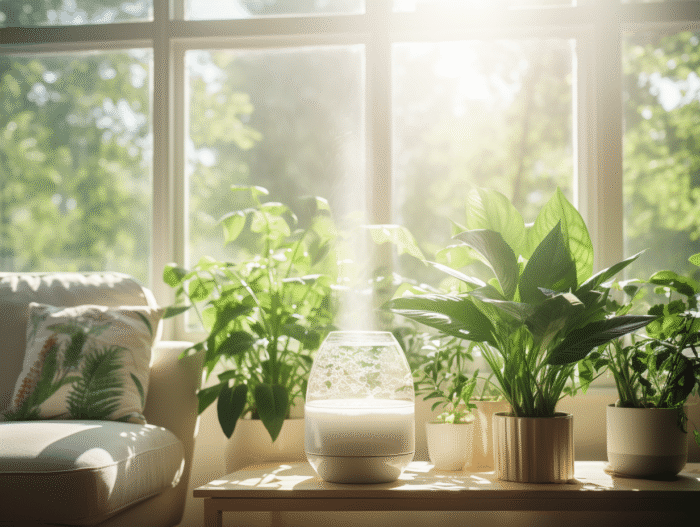
Excessive humidity in a home can lead to a multitude of inconveniences ranging from simple discomfort to health problems, not to mention material damage. From mold on the walls to musty odors, the signs of excessive humidity are often obvious, but the solutions to remedy it sometimes seem out of reach. However, natural methods exist to restore the hygrometric balance of a home. They offer an ecological and economical alternative to electrical and chemical devices and can prove to be valuable allies in preserving air quality and the well-being of occupants.
Understanding and Identifying Sources of Humidity in Your Home
Before engaging in the battle against humidity, the first step is to determine its origin. The causes are multiple: water infiltration due to structural defects, condensation related to poor ventilation, rising damp, or even daily activities such as cooking or showering. Identifying the source of humidity is a necessary prerequisite for choosing the most suitable drying strategy. A professional diagnosis can be decisive, especially if excessive humidity is accompanied by alarming signs such as mold or an ambient air saturated with musty odors. These symptoms are not only unpleasant; they can also be a warning sign of more serious health issues.
Indeed, the presence of humidity in a house is not just an aesthetic nuisance; it poses a real public health issue. Humidity is a known factor that can worsen or cause allergies and respiratory diseases. The humid environment is a fertile ground for dust mites and mold, two major allergens. The link between humidity and health problems thus requires a quick and effective response, which involves understanding the mechanisms at play. Be sure to grasp how humidity infiltrates and maintains itself within the home to remedy it accurately.
In cases where humidity results from structural defects, the intervention of an expert is often essential. The professional diagnosis can reveal issues requiring targeted repairs, such as roof waterproofing, repairing cracks in the foundations, or installing an efficient ventilation system. These repairs, although costly, are sometimes unavoidable to protect the building’s structure and the health of its occupants. At the same time, to manage humidity on a daily basis, consider using a natural humidity absorber: an ecological solution that effectively complements structural interventions.

Natural and Ecological Strategies to Absorb Humidity
At the heart of our home, humidity can prove to be a silent plague. To combat it, natural solutions exist, inherited from ancestral knowledge. Grandmother’s tips, often mocked, are full of unexpected resources to reduce humidity without resorting to chemical products. These methods, both economical and ecological, deserve serious consideration in our quest for a healthy environment.
Among these time-tested remedies, baking soda stands out. This white powder, known for its many household virtues, is also a significant ally in absorbing humidity. A simple bowl placed in damp corners of the house can capture excess moisture while neutralizing the odors that often accompany it. This simple solution proves remarkably effective, requiring only periodic renewal of the baking soda.
Activated charcoal, another traditional remedy, has an astonishing absorption capacity. When used wisely, charcoal can dry the ambient air and prevent mold formation. Placed in a perforated box or a cloth bag, it absorbs not only humidity but also pollutants, thus purifying the air in the house. The only requirement is that the charcoal must be regenerated by being exposed to sunlight to maintain its effectiveness.
Natural humidity absorbers such as coarse salt, crushed clay, or cat litter crystallize the humidity in the air by gradually solidifying. These readily available substances can be used in open containers or fabric sachets and should be replaced once saturated. Silica gel, often found in packaging for electronic products or shoes, can be reused for this purpose. Simply place them in strategic locations around the house to reap the benefits.
These strategies, in addition to regulating the humidity level, align with a commitment to environmental and health respect. They usefully complement heavier interventions and help preserve the integrity of our habitats while ensuring healthier air for occupants. Consider these natural solutions for an interior protected from excessive humidity without compromising your ecological footprint.