In the world of fashion and collectors, the authentication of Nike sneakers has become a major concern. With the proliferation of increasingly convincing counterfeits, enthusiasts and buyers must be vigilant to ensure the authenticity of their acquisitions. The ability to distinguish an authentic pair from an imitation can not only preserve the value of the investment but also protect the integrity of the collection. In the face of this challenge, several strategies and distinctive signs can be leveraged to verify with certainty the origin and veracity of the coveted Nike sneakers.
Decoding authenticity: from the serial number to manufacturing details
The Nike serial number is a unique identifier for each pair of sneakers issued by the brand. This code is usually found on the inner label of the shoe and consists of a series of numbers and letters. Carefully note this number and compare it with the information provided by Nike or verified databases to confirm its authenticity. A perfect match between the code and the official records is a reliable first indicator of the pair’s origin.
The quality of the material can be an indicator of the authenticity of the sneakers. The materials used by Nike for its authentic products are of superior quality, with impeccable finishes. Inspect the stitching, gluing, fabric consistency, and feel. Inferior materials or sloppy finishes may betray a counterfeit. Consider the overall appearance, as imitations can sometimes pass isolated tests.
As for the inner label, it contains not only the serial number but also other key information such as the UPC code, size, country of manufacture, and production date. Any inconsistency in this data or a poor-quality print of the label can raise questions about the sneaker’s origin. Details matter: an incorrect font, irregular spacing, or spelling mistakes are often revealing.
Verifying the UPC code associated with the pair of Nike sneakers can provide additional confirmation. This universal barcode should match the one assigned to authentic Nike products. A discrepancy between the UPC code you have and the one officially recorded signals a possible forgery. Rigorous cross-referencing of this information is an essential step for any savvy consumer.
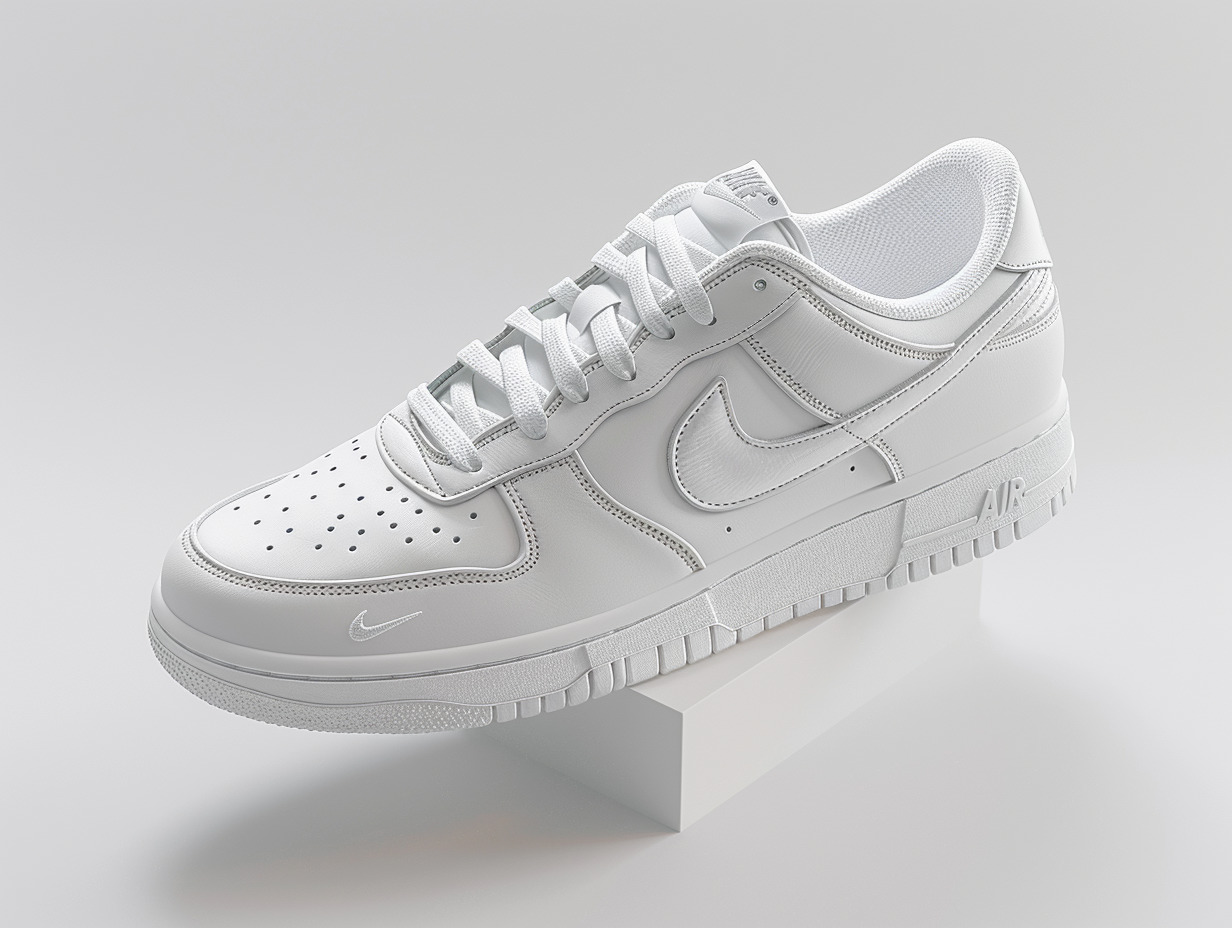
The essential tools and resources to confirm the authenticity of your Nike sneakers
In the face of the proliferation of counterfeits in the sneaker market, consumers and collectors are equipping themselves with tools and resources to outsmart the traps. Mobile verification apps have emerged, allowing users to scan the barcode or enter the serial number for quick and reliable authentication. These apps, often developed in collaboration with the brands, serve as an accessible first line of defense for everyone.
Specialized databases like Sole Collector compile detailed information on sneaker models and their features. These platforms provide users with a wealth of information to compare the characteristics of owned sneakers with those of authentic models. The expertise shared by enthusiasts and experts in the field is a valuable asset in the quest for truth.
Online sales platforms like eBay or Le Bon Coin, where the sneaker trade is thriving, have also strengthened their verification techniques. Guarantees are often offered to protect buyers against fakes. Consumers are encouraged to scrutinize seller ratings and look for authenticity guarantees provided by these sites before making a purchase.
Always prefer to buy from authorized retailers or recognized stores known for their reliability. These retailers are contractually obligated to sell authentic items and are regularly audited by the brands themselves. Choosing a secure purchasing channel is a prudent step for any buyer concerned about the origin of their sneakers.